Call or Text (614) 769-2390
Columbus, OH 43062
Your local stump grinding experts in Central Ohio
GrindWorks Stump Removal Blog
When Is Surface Root Grinding Actually Necessary?
Introduction
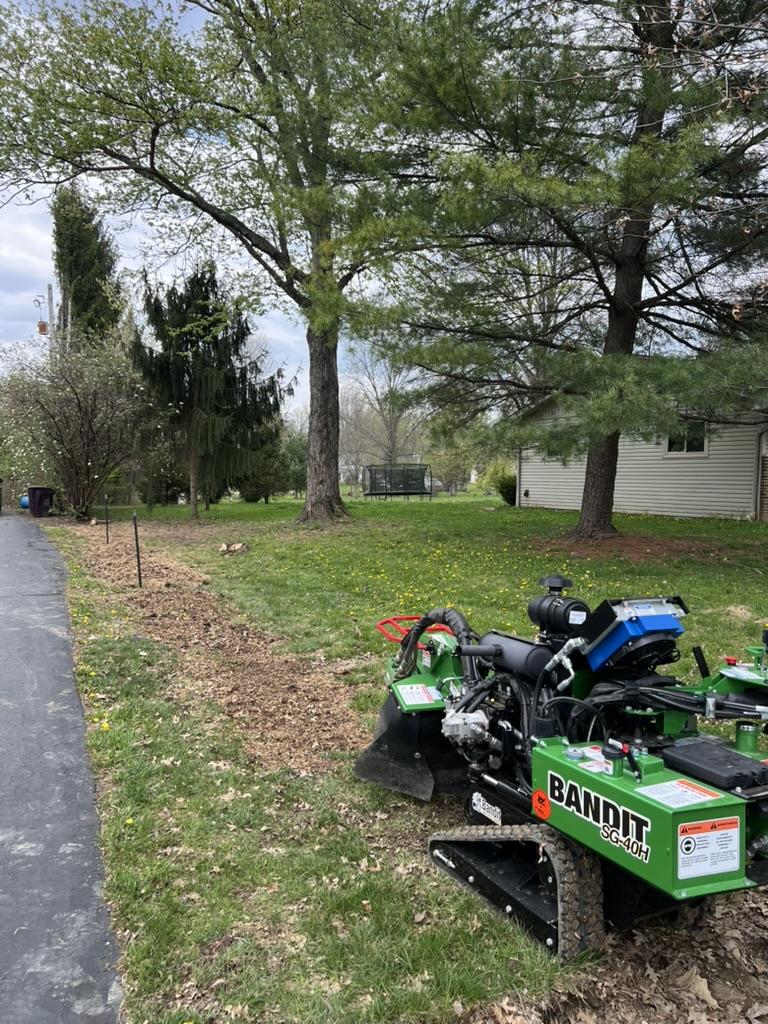
After a tree is removed, the stump is usually the main concern. Once it’s gone, the yard looks cleaner—but the roots don’t always disappear with it. In some cases, they stay hidden and cause no issues. In others, they show up as raised lines across the lawn, uneven ground, or obstacles when mowing.
Surface root grinding is meant to deal with those situations. The key question is whether it’s actually needed, or if it’s something that can be skipped.
What Surface Root Grinding Is Meant to Fix
Surface root grinding focuses on roots that are close to or above ground level and actively causing problems.
These roots often:
Create uneven spots in the lawn
Interfere with mowing or landscaping equipment
Form visible ridges across the yard
Become tripping hazards in frequently used areas
It’s not about removing the entire root system. It’s about improving the surface so the area can be used more comfortably and safely.
Situations Where Surface Root Grinding Is Necessary
Surface root grinding becomes necessary when the roots are affecting how the yard is used or maintained.
The ground is uneven or difficult to walk on
If you can feel raised roots underfoot or notice dips and ridges while walking, the surface has already been impacted. Grinding those roots helps restore a more even grade.
Mowing is inconsistent or difficult
Roots that sit near the surface can interfere with mowing. You may have to lift the mower, avoid certain areas, or deal with uneven cuts.
In these cases, surface root grinding helps smooth out the problem areas so mowing can be done normally.
Roots are visible across the lawn
When roots are clearly visible and extend beyond the stump area, they often become a long-term issue if left alone.
Grinding them down reduces their presence and improves the overall look of the yard.
You’re preparing the area for landscaping or reseeding
If you plan to level the ground, lay new grass, or install landscaping features, surface roots can get in the way.
Removing or reducing them makes it easier to prepare the area properly and achieve a cleaner result.
The roots are in high-traffic areas
Roots located along walkways, near driveways, or in commonly used parts of the yard are more likely to cause problems over time.
In these areas, addressing them early can prevent ongoing issues.
When Surface Root Grinding May Not Be Needed
Not all root systems require additional work. In many cases, surface root grinding can be skipped.
If the roots remain below the surface and don’t affect the lawn, they usually don’t need to be addressed. The same applies when roots are located in areas that aren’t used regularly or don’t impact mowing or foot traffic.
Some homeowners also choose to leave minor surface roots alone if they’re not causing immediate issues, especially if they plan to revisit the area later.
How to Tell If Root Grinding Should Be Included
Deciding whether to include surface root grinding comes down to a few practical observations.
Walk across the area and pay attention to how it feels. Look for visible roots, uneven ground, or sections that interfere with mowing. Think about how you plan to use the space moving forward.
If the roots are affecting usability or appearance in a noticeable way, it’s usually worth including the service. If they’re minor and out of the way, it may not be necessary.
How It Fits Into the Overall Project
Surface root grinding is typically treated as an additional service rather than part of standard stump grinding.
The stump itself is a defined area. Roots can extend well beyond that, sometimes into multiple parts of the yard. Addressing them expands the scope of work, which is why it’s usually quoted separately.
Including it from the start helps ensure the project is completed in one visit and avoids needing to come back later.
FAQs
Does stump grinding remove all roots?
No. It removes the stump and upper root area. Deeper roots remain underground.
Will roots grow back after grinding?
In most cases, they will not regrow once the tree has been removed.
Can I ignore surface roots?
Yes, if they’re not causing problems. Many roots can remain without affecting the yard.
Does grinding roots damage the lawn?
There may be minor surface disturbance in the areas being worked on.
Is surface root grinding always recommended?
No. It depends on whether the roots are actually creating issues.
Conclusion
Surface root grinding is necessary when roots are affecting how your yard looks, feels, or functions. Uneven ground, mowing issues, visible roots, and high-traffic areas are all strong reasons to include it.
If the roots aren’t causing problems, it’s often something that can be skipped or handled later. Understanding that difference helps you decide what’s actually needed for your property.

© 2026 All Rights Reserved | GrindWorks Stump Removal
Website Done By: LocalEyes